Tylenol is Evil. Because Witchcraft.

Screen Shot 2014-04-22 at 2.16.20 PM

HA note: The following is reprinted with permission from Kierstyn King’s blog Bridging the Gap.  It was originally published on February 20, 2014 with the title, “I don’t know what to call this.”

I was going through the files on my laptop looking for something specific and I ran across a picture that I saved from 2007. I won’t post it here, because it makes my stomach turn, but content note: graphic descriptions of infections and medical neglect.

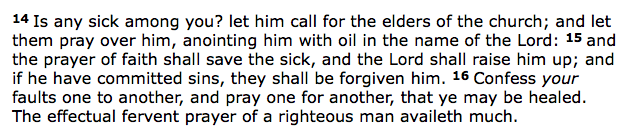
My parents stopped taking us to doctors before I was 10. They believed that god told them doctors were evil, to go to doctors was to not have faith in god’s ability and will to heal the sick. Along with that, came the belief that if you were sick, it likely had something to do with sin in your life. Both of these came from James 5.
k1

So, anytime we got sick, we did that. We’d have dad pray for us, literally anoint us with extra virgin olive oil, and then make sure we didn’t have any unconfessed sins. Ex: a cancer sore we could have because we “talked back”.

Because my parents didn’t believe in doctors, they also didn’t believe in medicine, because there is a greek word called Pharmakeia which is where the word pharmacy is derived from, but also means witchcraft. My parents made the jump to then decide that any medication, including ibuprofen and tylenol is evil, because witchcraft.

(side note: just writing this all out now is making me feel sick. First, I can’t believe I remember these arguments so well, and secondly, I just, I can’t, it’s so stupid)

We had one bottle of children’s chewable aspirin on hand, they reasoned THAT was okay because it’s from bark, not chemicals, and because one of my sisters was prone to migraines that resulted in vomiting – but that was only for dire emergencies.

My mom had “natural” remedies, like tea tree oil, oil of oregano, and Werther’s hard candies (for sore throats  << that one I’m not complaining about, actually, it was candy). Stuff that 1) doesn’t actually make sense and 2) is not located anywhere near the pharmacy area in the grocery store.

(side note: it took Alex so long to get me to take ibuprofen for migraines because of this.)

So, when I was 16 and a half, I had this horrible horrible infection on my leg. I could not move. It was swollen and oozing and painful, any movement at all was excruciating (and no painkillers), it swelled so much that my thigh didn’t look like part of my leg anymore, it was some weird mutated…thing.

My parents believed it was boils, like Job had (Job 2:7)

k2

So, they prayed for me, anointed me with oil, asked about my sins, which I couldn’t think of and then….the fun started.

Remember: no medicine, no doctors, nothing. My mom decided we had to keep the infection clean (makes sense), so, she would push and squeeze the abscess until puss came out of it (so. fucking. painful.), then she would put oil of oregano in and around the wound because it was a “topical pain reliever” and “antiseptic”, I’m pretty sure hydrogen peroxide happened too. Basically I just remember my siblings complaining that I smelled like spaghetti (maybe that’s why I hate it so much).

It was deep, and there was a good bit of blood – it was blue and swollen around the..head? I still have a visible scar from that first one. And the second one.

This went on from the time I was 16 and a half until I was 18 – it didn’t start fully clearing up until I left home, though it had gone down in intensity.

The second one, was right below the first, had two heads (which I think had more to do with my mom PHYSICALLY SQUEEZING THE ABSCESS than anything else) each wound was big enough you could put a pencil eraser in (I still have that scar too), and there was like, a flesh bridge between the two holes, so they were connected /open at the bottom/inside the wound, but on the top there was a little bit of skin that kept it from being a fucking gash.

After the first one though, my parents were less concerned, and I managed to move – while still in excruciating amounts of pain with no recourse – and do chores and go places and manage.

As time passed and I continued to get these and they continued to leave scars and I continued to function in large amounts of pain, my mom started commenting on how my legs looked.

Because, due to the scars – and random abscesses, they looked polka-dotted. So, I wore only jeans or ankle-length skirts (or tights) so as to hide the hideousness of my infected legs. (This continued well into my marriage, in fact I think it was around a year before I stopped wearing exclusively jeans and wore skirts/dresses that were above my knee, because of that reason.)

I walked for 10 hours in boots with an abscess on my knee (it was not fun and towards the end of the day I was having a really hard time walking/keeping up with the group, but being carried was not Teenpact Appropriate). Some of my skirts had stains from them.

I passed up an opportunity to intern with Teenpact after that trip because of my legs and knowing I wouldn’t have the stamina required to wear heels and walk all day.

They were frequent but became smaller – I started to be able to get to them before they developed into something bigger.

This whole time though, over a year and a half  – no one thought anything of it, no one thought to maybe get it checked out, this infection that didn’t go away – this thing that we’re calling boils and figure it has something to do with god, and not providing any kind of relief from the pain, I just had to suck it up and deal with it, and I did.

Our second year together, my legs and scars were healing and I was wearing shorts and short skirts and my parents would always comment on my legs – “oh, it looks like they’re clearing up!” which actually just reminded me that my legs might still be unseemly and polka dotted.

I realized, yesterday, after digging up that picture on accident, that my infection, much like my teeth, was something that they had the power to stop and chose not to. Instead they chose to shame me about it and give me the bare minimum of help (if oregano oil and being made fun of because of it counts as help) because of their religion.

The first two scars are shiny and feel weirdly smooth, but are fading.

k3

Ham on Nye

Screen Shot 2014-02-06 at 9.37.40 PM

HA note: The following is reprinted with permission from Kierstyn King’s blog Bridging the Gap.  It was originally published on February 6, 2014.

I actually didn’t plan on writing anything about the Ham on Nye debate Tuesday night.

I planned on drinking and eating popcorn and watching  everything implode in a talk-past-each-other kind of way. My mouth hurt (still does, I have even better numbing stuff now, but it makes my lips stick together), we ended up getting milkshakes because Ham is more triggering and milkshakes are more comforting.

The debate went as I suspected it would – more cathartic for me and those of us who have left the Young Earth Creationist camp we were raised with. Ham had all the same material, I’d heard everything he’d said before at VBS, in DVD’s, and his theology permeated my “science” books even though they weren’t exclusively AIG. I knew all his answers, I’d seen all of his graphics, he said absolutely nothing new, at all, I remembered everything verbatim from my previous encounters with AIG as a child. To Nye, this idea is so unfathomable that he had trouble grasping and understanding his audience and I don’t know that he knew what he was getting into. To the people in that room, YEC is more than a science…theory(?), it is, in a very real way, a (the) foundation of their religion.  Believing in a Young Earth is somehow, essential to this brand of christianity, my whole family, I think, is Young Earth, my immediate definitely, if not my grandparents too.

None of the arguments made in the debate were really going to change anyone’s minds I don’t think. I don’t know how many people were listening to it like a presidential debate, being really on the fence about religiously-intoxicated creationism and mainstream science, but who knows.

During the Q&A session though, Nye said one thing, one groundbreaking thing, and I don’t know if he even realized it.

He said “I don’t know“.

What he probably didn’t know (or maybe did) when he walked into a room and an audience loaded with people who have been raised or told all of their lives and all of their childhood that they have to know all the answers to everything all the time and that “I don’t know” is not an answer and if you don’t know, something is wrong – saying “I don’t know” in a way that did not have defeatist or negative connotations is something that people raised in this sheltered and toxic environment have probably never heard. Their parents may have, but have denied themselves and their children that option, they’ve rejected the idea of not knowing for the burden of having to always know and have thrust that upon their children at very young ages.

Fellow homeschoolers have written about having to know the answers to all questions – even questions about the legality of homeschooling from the time they were like 6. This is true and this is devastating and this is too much, no one, let alone any child should be required to know the answer to everything. Yet this is what fundamentalists do – they require themselves and everyone they gather into their brand of religion (or non-religion) to have all of the answers to everything. They must always be able to back up a question with a pre-scripted answer that allows for no nuance. I don’t know is invalid.

People asked him the questions creationists are scripted to ask evolutionists (because they don’t know the answer but we do! HA!) and he answered, happily, excitedly, unashamed, and like he had been waiting to say it all night because it’s such a beautiful answer: I don’t know.

Ken Ham, and every entrenched creationist in the audience I’m sure scoffed at Nye’s reply. But what he said, in those three words, is something more powerful than he can know.

Because to the people who were watching who are tired of having to know everything because they realize they don’t know, who are maybe doubting, who are maybe thinking, who are maybe just trying to keep their head down to get by but secretly (even so secretly they may not realize it yet) want to taste something different, something not straight out of the book, Bill Nye just introduced the concept of freedom.

Because the freedom to not know (and that be an okay, even good thing) after coming from an environment where you must know is so so powerful. But one of those things, where you only realize it’s power once you’ve come to terms with the idea that it’s okay to not have the answers.

Bill Nye just introduced hundreds or thousands of people to the idea that “I don’t know” is valid, and okay, and not wrong.

That is the most important thing (I think) that happened in the debate, that’s what I haven’t been able to get out of my head. I don’t know. And it’s beautiful.

Child Marriage: I Dodged the Bullet

HA note: The following is reprinted with permission from Kierstyn King’s blog Bridging the Gap.  It was originally published on January 12, 2014.

I don’t know that I’ve written much about the process of the relationship Alex and I had before we got married. I started my blog after the fact and before I had even begun to process the hellmouth that was my childhood.

With three creepy-as-fuck-patriarchs coming out in favor of child marriage – something they’d always been in favor of, I suppose, but just now coming to light – I keep remembering how close I was to that being my story, our story.

This might be timey-wimey.

*****

Ever since I can remember, my mom really really really wanted to be pregnant at the same time as me.

I don’t know why, I just remember her telling me this, often, and it creeping  me out before I was 10 — and after I was 10, but I remember being really damn young when she was telling me this. I feel like I was 8.

When we started homechurching, my mom become obsessed, I mean obsessed with jewish culture. Like everything about it was perfect and not at all weird, and by jewish culture, I guess I should clarify, I mean old testament jewishness, and whatever of that was referenced in the new testament. Yes, how women were property and bought/traded for dowries, and how they were surprised for when they were getting married, and their parents picked out their husbands (my mom is also obsessed with betrothal), and then how they wait for the couple to do it, and then they bring out a sheet that had better have a bloodstain on it to prove…virginity – because, obv’s everyone bleeds (<nope).

(HA note: Kiery’s mom was not just wrong in a moral sense, but wrong in a religious sense; for an accurate description of how Jewish weddings work, please see Rachel’s comment here and Petticoat Philosopher’s comment here.)

She had, before I was a teenager even, basically planned out my wedding to be like that. Complete with my future husband building an apartment attached to their house, and even as a kid who knew nothing, this was the thing I fought against, this was the battle I always chose, I was not going to allow my mom to pick out my husband, and dictate my wedding and create the most humiliating ceremony I could imagine – just so she could get her jewish fix and fulfill her dream of carrying children simultaneously.

For context: She had also decided that I would marry at 18 to ensure that pregnancy thing would be feasible.

She was pregnant when I was 18 (I’m 18 years and one-week older than my youngest sibling) and I did end up getting married at 18, but the simultaneous pregnancy hasn’t happened (and never will, thanks to my own birth control and my grandparents stepping in after the last baby and paying for my mom’s sterilization).

Anyway, back to the story…

So, my childhood was already riddled with disturbing fantasies from my mom in relation to my future love-life, and I had been fighting this battle for as long as I can remember. Thankfully, my dad was on my side here, and also thought that my mom’s whole wanting to control all of that thing was ridiculous, which made it easier to just look at her and say no whenever she mentioned it (that was the only thing I was ever able to do that with) even though she ignored it.

I had read too much Elsie Dinsmore to be cool with the idea of betrothal.

Anyway, after we moved to Atlanta I went to TeenPact State Class and then TeenPact National Convention where I met Alex and we became fast friends over the course of the year. Later that year my parents told me they were done teaching me/had taught me everything I needed to know when I was 15 and they said I’d graduated. It was 2006. I turned 16 in February of 2007, had my graduation ceremony at the state homeschool convention in May, and Alex came down for camp, and that fall we started courting (which is, in our case, another kind of hell). Because he lived in Maine, our relationship was Long Distance and we saw eachother less than a handful of times a year – which means most of our relationship involved lots and lots and lots of talking and getting to know each other over IM/Email/Phone calls.

Nonetheless, as soon as my dad said “okay” to us courting in September of 2007, my parents – especially my mom- heard wedding bells. Courting is basically like, “dating with the intent to marry” but with everyone sticking their hands and ideas into the situation but without actually caring about or getting to know the two people involved – they just want power and think they can because they’re parents, so they must be right, right? (no)

My mom, at this time, had just had my second brother, and so, my broom services weren’t as desperately needed.

By december they were pushing Alex to propose, made him buy me a promise ring, and kept asking about when we were getting married, anddon’t you love him? (yes) don’t you want to marry him? (sure) but why not NOW? (because I’m 16) We’ll sign the paperwork! eventually I just looked at them and told them, I feel like you’re pushing me out, and I don’t know why. They were like, we’re not pushing you out! and I forget what else they said, but in retrospect, that conversation, and me not coming home engaged after visiting and meeting his family for the first time after christmas changed things.

But one thing remained, they wanted me married. Stat. They wanted him to propose like, right away, and when he didn’t propose by my birthday, in February (because we both decided it wasn’t a good idea to get married at like, 17 and 19) they got pissed and over the course of the summer of 2008, decided to do everything they could to sabotage our relationship.

It was brutal and nasty and deserving of more than one post because it was fraught with verbal and emotional abuse, withholding, and bribery – complete turns of opinions and demeanor’s, saying one thing and then the next morning saying something else, the last pregnancy that ruined everything, and the reason I had to run away.

If I had complied, as I did in every other thing, my relationship with my parents would have been less strained for a short time, but neither Alex or I would be in a healthy place. 16 is too youngMuch too young.

So when people talk about child-marriage proponents, I remember being 16 and pressured, unbelievably pressured by my parents, to make my boyfriend propose and marry me.

because it’s better to marry than to burn with passion 

I wonder if some of the logic of Swanson, Maranatha’s dad and husband, and Creepy Duck Guy wasn’t part of the logic my parents had too: female independence is bad, marry them off young so they can do what god commanded women to do – be fruitful and multiply.

On being a broom (and why I can’t just relax and enjoy shit)

Screen Shot 2014-01-07 at 10.18.46 PM

HA note: The following is reprinted with permission from Kierstyn King’s blog Bridging the Gap.  It was originally published on December 31, 2013.

I realized why I have a hard time relaxing and taking actual vacations and even enjoying the holidays. 

As a child all of the times that most children have “off” to play and relax and do their own thing, I never had. We never had summer break.

We took Nov-Jan off every year instead, and during those two months we never rested. During those two months, my mom made lists, my mom kept us running ragged either baking or crafting or “ministering” to other people, or doing deep seasonal cleaning. I remember, vividly, begging, all of us, begging to keep one day in two months free so we could just watch a movie and relax and not make cookies (or make cookies that we actually got to eat instead of for everyone and their aunt).

We had “parties” that I don’t ever remember being fun, because the entire time leading up we spent deep cleaning, and cooking, and setting up, and then when it was party time I had to help mom keep the party and the guests organized and on-schedule, and I had to make sure the dessert came out of the oven at the right time, and often was interrupted with some kind of care-taking need in the middle of a group activity.

My mom hated it when I planned my own (graduation) party and I told her she couldn’t do anything and that I had no plans, and we were just going to hangout, maybe watch a movie and order pizza. Even then she still tried to dictate what happened when. I was still pulled aside. It was still stressful.

All I remember my mom doing during breaks, and actually for the majority of my childhood, was sitting in her recliner: writing us lists of things to do, and getting upset when we didn’t do them all fast enough for her.

Her version of helping and “being productive” was sitting there, after giving us our lists, watching us do the things on the list and telling us what we were doing wrong or should do differently, or coming up with more things to do simultaneously.

There is no pleasing my mother.

We had “breaks” solely so we could do chores and things we couldn’t have done while we were “schooling”. Forget that we didn’t school on Fridays, because Fridays were intense cleaning days, you know, on top of normal cleaning all week.

Even my dad, my mom would write huge “honey-do” lists for on his one week off (you know, when we kids just wanted to play and have him rescue our toys from the packaging). My mom was a slave-driver who bred her own slaves.

And yes, I do feel like I and all my siblings are just slaves in my mothers eyes. She wouldn’t say it that way, but that’s exactly how they live(d) and practice(d), and people wonder why I have horrible self esteem issues.

I mean, I was told, outright, for years, that my purpose and job in life (while I was home) was to serve my “family” (i.e. mom). I felt, literally (I cannot emphasize this enough) like I was just a broom with arms, legs, and a heartbeat. I remember standing in the kitchen one day, fighting back tears, devastated as I was doing two things at once, that I didn’t have 8 arms, because I could. not. keep. my. mother. happy. I could not physically clean, and cook, and hold the baby, and do the laundry all at the same time. I was human, I ONLY HAD TWO ARMS, and yet, there was my mom, in her chair in the next room, berating and harassing me because while I was cleaning the dishes and cooking and had a toddler draped around my leg, I hadn’t yet started the laundry, or brought her snack.

If I was “caught” doing anything that loosely resembled “relaxing ” that was immediately rectified with other tasks (unless it was bedtime, or the like 90 minutes of “free time” I had that rapidly shrank). I feel horribly guilty if I am not doing some kind of mundane work when I could be, because I was never allowed to breathe.

I wasn’t a person until I ran away.

Before that, I was nothing more than a breathing, walking, broom.

Aging Backwards

kid

HA note: The following is reprinted with permission from Kierstyn King’s blog Bridging the Gap.  It was originally published on December 2, 2013.

When I was 8, I was expected to be an adult.

I had adult responsibilities (taking care of kids) and was expected to act as mature as an adult – learn all the things, do all the things, cook all the food, wash all the babies. I had to fight for some semblance of my own childhood. My mom wanted me to grow up and grow up fast. I remember her asking me, before I was 10, to stop playing “dogs” with my brother (we’d run around on our hands and knees barking and stuff) because, essentially, it was embarrassing. I don’t remember the exact words she said, but that was the gist.

I just looked at her, and willfully ignored her until I was 11, and by then, I was too busy doing her job that I didn’t really have time to play with my siblings, because if I did, I was quickly ushered to change someones diaper.

Funny, because my mom said that I should be happy I have so many siblings/sisters to play with and that I don’t need friends my own age. But I never had time to play with them even if I wanted to – and honestly, they were so much younger than me, and she had them with such frequency, that I wasn’t even on the playmate list – I was the caretaker, the other kids, they all had each other, but I was quickly forced out, alone, and expected to be happy about it and have no needs.

I wasn’t allowed to have needs. I wasn’t allowed to be a child after I started puberty.

As I aged, I was expected to be more adult – not in like the normal, kids mature way, but in the I-was-8-and-was-expected-to-be-20-and-go-from-there kind of way. By the time I was 13 I’d lost any semblance of childhood that I’d had. I’ve never experienced the care-free years of being a kid or a teenager, because the entire time I was a kid(‘s age), I wasn’t.

I don’t understand teenagers, I don’t understand 18 year olds who don’t look and feel like they’re 40. I don’t understand 16 year olds who still play and aren’t crushed under the weight of grown up responsibility. I don’t understand 22 year olds who act like 22 year olds are supposed to act, and don’t have random existential crises because they feel like their life is over and they’ve accomplished nothing.

I’m 22, but most of the time I feel like I’m so. much. older. and learning how to act my age.

I’m actively trying to become more immature, because I can’t handle the continued weight of having to be more responsible and older than I am, of having to be the parent all the time even though there’s no one around to parent (except myself, which isn’t healthy either).

When I got married, I was 18, but I felt as though I’d lived a lifetime before that even happened. It said 18 on my documentation, but in my head I was in my 40′s, most of my life lived – well, survived, and it was time to do something else. Most people are like, no, you can’t marry at 18, and I agree and feel bad about it until I realize, when I was 18, I wasn’t actually 18. I was much older than that – because I was forced and pushed into growing up well before I even had the ability to understand what everything meant.

When I was 8, until I was 18, I was given all of the responsibility of an adult, with none of the power. I often felt like the only adult in the situation, like I was the actual parent, but I had no ability to change things for myself or for my siblings.

My mom confided in me things that really she should have confided in other adults to – things I didn’t need to know and didn’t understand and had no idea how to respond to. You shouldn’t tell your kid about how you’re mad at their father, or what you do in the bedroom and how it’s sinful (because every sperm is sacred), but you just really don’t want to be pregnant again (and pulling out is SO effective) – bearing in mind, I still thought sex consisted of invisible metal tubes connecting at the belly button of the other person.

When Alex and I started going out, I wasn’t even 17, and they heard wedding bells. They wanted me married right away, it felt like I was being pushed out, which was strange, considering.

My parents wanted everything to move so quickly. They said “but you WANT to get married, right?” and I was like “sure, yeah, but not RIGHT NOW” (because, 16, even I knew that was a bad idea). They didn’t seem to understand the concept of time.  They wanted me to grow up so fast and never experience having grown up.

I never had a relationship with my mom and I think this is largely why.

I was the parent. I was the confidant. I was the one who had all of the responsibility, the consequences, and the anger shoved on to. I bore the brunt of her frustrations and I was the one who was berated for simple mistakes.

In every way, I never had a mother. I was never her daughter, I was only ever her tool.

The only time my mom was ever sweet to me was when she was trying to butter me up and manipulate me.

So when people say they’re so sorry I never had a relationship with the person who made the choice to give birth to me (and then demanded my life in return), I stare at them blankly. I don’t understand why they would say that. It actually hurts, because it’s almost as though they’re blaming me for not having or wanting a mother-daughter relationship – like I’m unjustified in my relief to have finally left her grasp.

I’ve grown in odd patches, with massive gaps where experiences should be, but aren’t. Learning what to do with feelings, and learning what needs are (after not being allowed to have them, because adult…which is BS, actually, my mom had ALL OF THE NEEDS). I feel old, I look young, I have experience and naivety in all the wrong places.

I hate having had to fight for everything – whether it’s for childhood, or autonomy, or myself.

I am tired.

I don’t know what made me think of it – maybe it’s because it’s the holidays and I really want the gingerbread that we used to make, and that reminds me of the fact that holidays were chores and mostly unenjoyable, save christmas morning, and I get tired from the memories and the forced aging.

I feel like Benjamin Button.

Good Homeschooled Girls: Hide the Real You

Screen Shot 2013-10-21 at 3.20.26 PM

HA note: The following is reprinted with permission from Kierstyn King’s blog Bridging the Gap.  It was originally published on October 21, 2013 with the title, “On Femininity.”

Good Homeschooled Girls are supposed to be perfect.

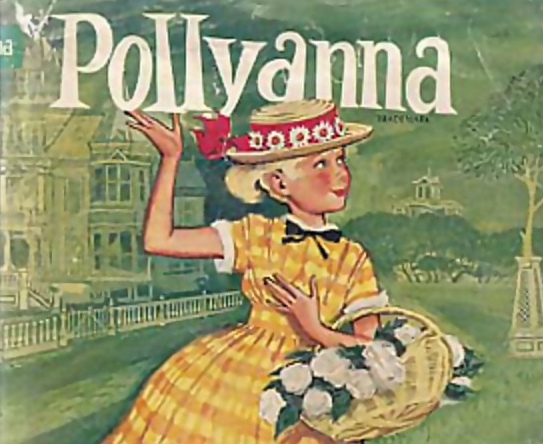
They’re supposed to be Pollyanna, Elsie Dinsmore, and Jane Bennet.  They’re supposed to be completely innocent, unnoticed, modest, graceful, but still look beautiful and unblemished (while not thinking too hard about it).

Good Homeschooled Girls are impossible. All of us are wearing masks, we’re all acting feminine, we’re all hiding ourselves, because none of us are that perfect.

Instead, we are berated — we are told we are never enough, that we’ll never be good enough, that we don’t measure up. We’re told we need to fix our hair and only wear makeup to cover our acne, we’re told we need to look just so — but not focus on it. Our appearance and personalities are shamed, muted. We are turned into china dolls — empty, silent, porcelain — while we die slowly inside.

Our unique identities are stripped — told to be sinful.

Our independence is denied, and to fight for it is to abandon all that we were raised to be.

Our dreams — if they exist outside the chosen path — are cast aside, scoffed at, or allowed under very specific circumstances and made to end upon marriage and/or pregnancy.

And if we abandon this dream, or if we seem to have a particularly hard time measuring up to this standard? We are broken, and there is something wrong with us. To base our worth in who we are instead of when our uterus is used flies in the face of this ideal.

Elsie DinsmoreBeautiful Girlhood, and Jane Austen are the books that are handed to us as examples of femininity and how we should conduct ourselves. Good Homeschooled Girls are supposed to be quiet, demure, masters in the art of domesticity — never raising their voices or asserting themselves, never doing heavy lifting (unless it’s babies or laundry baskets), always walking with poise, always graceful, always innocent and perfect, never loud.

The first two emphasize the devaluing of self as godly and feminine. I can’t speak to Jane Austen because I’ve never been able to make past the first chapter.

Innocent, all with Hayley Mills and a yellow house in Maine and everything, harmless. Right?

If we leave it at the movie, sure (?). I didn’t know at the time, but the out-dated standards they sing about are things that are invisibly expected of all Good Homeschooled Girls.

The line hide the real you (while it was probably meant to be funny and absurd) was essentially my way of life.

I’ve always been stubborn, strong-willed, and independent. When it worked in my parents favor, this was a good thing. Otherwise it was something to be squelched.

I was never really a tom-boy. Sports bored me and seemed pointless — which, I suppose naturally meant I was a good candidate for the social experiment of super-girly-femininity. I was given books — Elsie Dinsmore, Beautiful Girlhood, Pride and Prejudice or Emma or Northanger Abbey (I don’t remember which ended up in our collection), and etiquette 101 for tweens (I can’t remember the name). I had to learn to be hospitable and submissive, though my parents never (or rarely) used the word feminine.

Submissive and feminine are often synonymous here.

I read them, dutifully, internalizing the expectations (well except Austen. I just couldn’t, but that comes in later). My parents never really talked with me about this. They had a tendency to just give me the books and expect I learn from them. Elsie is less fiction and more a not-so-subtle way of giving young girls impossible and unhealthy expectations and telling them they’re worthless if they can’t master it as Elsie did.

It didn’t take long for me to realize Elsie is an impossible set of standards that I was never going to meet. Though the real line was when she married her father’s best friend. I couldn’t bring myself to do it anymore, arranged marriages to a man who’s old enough to be your father who was creepy as hell to you when you were 8, and you’re too perfect and ideal to even exist or be relatable.

Just, no.

The appeal of the civil war/regency era vanished — because I saw through what they were trying to do and I think it was my own secret form of rebellion, sort of. Good Homeschooled Girls are given these books as guidelines – Beautiful Girlhood literally is a guideline for femininity and social conduct.

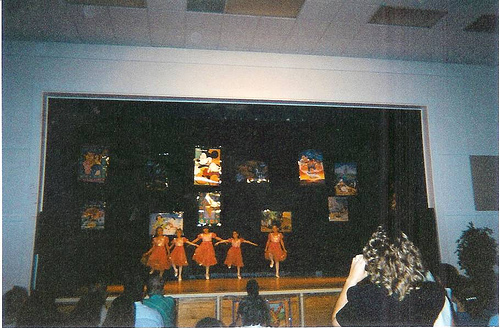
My first ballet recital to “Femininity” from Summer Magic.

As much as I tried to mask my nature, to hide the real me, I was never able to do it well enough to be the pinnacle of femininity that I felt I was supposed to be.

Austen bored me, because I couldn’t get into the obsession with ribbons and dresses and who’s-courting-who. Elsie and Beautiful Girlhood just made me more painfully aware of the inadequacies I was already painfully aware of.

I felt broken. I felt broken because I didn’t live up to this idealized standard of godly womanhood (or girlhood).

I felt broken because I am not delicate, and no amount of silencing myself was going to re-write the core of my DNA. I come from a line of stubborn women, you can’t demure you’re way out of it. Or maybe you can, but I couldn’t. I felt like that meant I was less desirable (the end-goal of being female being married and having kids).

Being born female meant that I had my entire life and code of conduct set in front of me, no personality required. I was required to follow the program. I felt wrong because the very fiber of my being was in direct opposition to it.

It still is. 

I remember when I was 11 or 12 trying painfully to write fiction about an edwardian-era girl (instead of my book about the secret society of women who fought in the Revolution via spying because the Quartering Act) who sat in a garden in her frilly dresses and waited for suitors. I think I got maybe 4 paragraphs and then became frustrated because it was impossible for me to even write about that without getting bored.

The idea of being locked up, spending my life in waiting for someone to whisk me away, and then to spend the rest of my life locked up birthing and raising children horrified me. No matter how hard I tried to make it not, or how hard I tried to make it seem…a s ultimate as people were telling me, no matter how hard I tried to convince myself it wasn’t certain death.

I couldn’t escape the feeling of the futility and meaninglessness of my life if all I was allowed to do was wait, and then have kids, and hope that one day they’d grow up to do the great things that I wanted to spend my life doing.

That meant something was wrong with me. I was too independent and god wouldn’t like that.

I remember being told, on several occasions, when I chose to fight for my autonomy, “independence is bad [for a woman], how do you think God feels about that [me being autonomous]?”

I was wrong and broken because I was not, am not, could not be demure, quiet, and feminine. I would never live up to the standards that Good Homeschooled Girls are supposed to live up to – no matter how many masks I put on, or how hard I tried to hide myself.

I may never have been a tom-boy, but I was never the epitome of girlishness either.

Masks could only cover so much. I found ways to let myself be stubborn in subtle and approved ways. I was compliant to a point.

The things is, I know now that those books are poison to my rose-soul, but I still feel the need to embody all that is wispy delicate and feminine.

I still feel broken because I don’t fit  the mold when other people project it onto me. Because it is impossible for me. It would require giving up my autonomy and a complete change of taste.

*****

I can’t watch Pride and Prejudice without raging, I generally hate dramas (there are exceptions to this), I’d rather read a good fantasy or scifi novel or comic than a book about amish courtship (don’t get me fucking started), I love a good action movie — Give me robots fighting monsters any day.

None of my most basic preferences are even considered in the world of Godly Womanhood and Good Homeschooled Girls. It is assumed that I LOOOOOOOVE anything by Austen, that cooking, courtship, and children appeal to all of my tastes and interests, that robots and monsters and other-worlds are boring and unnecessary, and action movies are for boys.

When I express otherwise, it’s all but laughed at or ignored.

*****

I watched the Lizzie Bennet Diaries without raging (loved it, even). I know Austen was groundbreaking for her time (a woman author? *gasp*), but I can’t read her – not just because I find it dry, but because of homeschool culture.

Good Homeschooled Girls are supposed to be looking waiting for their Mr. Darcy (an asshole, really?). Good Homeschooled Girls are supposed to be Jane Bennet (Lizzie is far too independent) which doesn’t make sense because Jane marries Mr. Bingley? I know too many people who are trying to hack the 21st century into a Jane Austen novel and it frightens and sickens me. Wouldn’t it be nice if there were balls and you married the person you danced with? I feel like that can’t be the point of Pride and Prejudice, but you wouldn’t know it in this particular subculture.

^ Don’t start thinking about it too hard, it’ll hurt your brain.

It is the obsession with denying women humanity — autonomy — and worth that pervades this whole idea. 

Good Homeschooled Girls have no needs. Good Homeschooled Girls are whatever they are told to be. Good Homeschooled Girls must gracefully and perfectly meet and fulfill contradictory requirements (look perfect, but don’t obsess about it! learn things, but don’t use your brain!), while never having a bad day or a human moment.

Good Homeschooled Girls aren’t allowed to be.

All in the name of femininity.

Help is Worth Getting Because You Matter: By Kierstyn King

Screen Shot 2013-09-06 at 4.18.02 PM

Help is Worth Getting Because You Matter: By Kierstyn King

HA note: The following is reprinted with permission from Kierstyn King’s blog Bridging the Gap.  It was originally published on July 17, 2013. This is the third of Kierstyn’s three-part series on mental health. Read Part One here and Part Two here.

It’s worth mentioning, in 2010, my parents all but disowned me and I spent 2 weeks crying, in my room, with the lights out, dealing with an amount of intense pain that I had only dealt with once before. That was in 2008 when my parents told me that I couldn’t see or talk to my husband anymore. This time, they cut off my relationship with my siblings. I came out stronger on the other end, but that reminded me, acutely, of my previous bout with near suicidal depression and thankfully, I wasn’t suicidal this time, because I was (for the first time) in a loving relationship with someone who cared.

After getting off the pill (health reasons) in 2011, my hormones started raging and I had horribly debilitating bouts of depression every 2 weeks (thanks, ovaries). I was angry and volatile and mean (which I’m not usually) – it started affecting every detail of my life and how I interacted with the people I most cared about. I tried every herbal supplement I heard helped with PMS and hormones. I eventually came to the conclusion that I had PMDD (like PMS but with depression and on steroids) which, upon thinking about it, and my relationship with myself – especially my menstruating self – made sense.

I struggled for a year, taking herbal supplements every day with no help.

I talked to self-proclaimed herbal experts who said progesterone was a good bet – it wasn’t (but I did get one lotion that smelled nice and helped on that level).

Last August I’d had enough. It was hard – working up the nerve to talk to my doctor about this weird phenomenon was really hard, I was terrified. I’d been told my entire life that doctors were evil and that they just handed out antidepressants like candy, and also, those were bad. But I couldn’t keep living with that, every two weeks being trapped within myself, being a shell, and trying to not hurt the people I loved because of things I couldn’t control.

So I talked to my nurse, I told her about how debilitating my periods were, how I hated myself, how I felt it hurting my relationships. She suggested wellbutrin.

She said it may be a drastic step and I said, no, I’m ready to try medication.

Shortly after that talk with my nurse, Wil Wheaton wrote about his depression on his blog – which really helped normalize it for me. Because for the first few weeks following the start of my medication I felt a little afraid and a little ashamed because of the stigma that comes from treating depression/mental illness and having it. The shame from my past because I was one of “those” people now.

Wil Wheaton’s story helped me feel better about it. Then Hyperbole and a Half’s Adventures In Depression was so spot on (so is part two), I realized that I wasn’t alone. That it’s a real thing (not a spiritual one) and that it’s okay, and that also —

— I don’t have to live in suffering like I thought for so long.

I didn’t realize that I had been depressed since puberty, with bouts of really really bad rounds of it, until I started taking antidepressants and was introduced to actual emotions and feelings. It was overwhelming at first – I had so many emotions, all of them, I didn’t know what they were, how to name them, or how to deal with them. I just had to sit there and wait and learn what they were.

I feel things now.

People think that if you’re depressed you just feel sad all the time. But what happens is you just eventually feel numb, melancholy. You miss the actual feelings.

Negative ones stick and make homes in your brain and never go away.

Now I know, when I feel sad, angry, or depressed even (yes, I still feel depressed sometimes) that they are only emotions and they. will. pass. I will feel happy – actual happiness, and then I’ll feel normal – which is not melancholy, but a perfectly okay everything is fine feeling.

The difference between my emotional and mental state now, a year later, and last year is huge. I can’t start to describe how many ways it’s changed, helped, and made me feel more in control. It’s just so nice to be able to live outside of my head, to not feel trapped inside of my brain, or inside of my body.

Help is worth getting because you matter. Intrinsically.

Depression and Spiritual Abuse: By Kierstyn King

Screen Shot 2013-09-06 at 4.18.02 PM

Depression and Spiritual Abuse: By Kierstyn King

HA note: The following is reprinted with permission from Kierstyn King’s blog Bridging the Gap.  It was originally published on July 17, 2013. This is the second of Kierstyn’s three-part series on mental health. Read Part One here and Part Three here.

Looking back, it’s no wonder that all of the feelings and self loathing that lead to my depression, brought depression. I was taught that I was worthless, that I should never think well of myself, that I needed to be humble, I was never allowed to show any emotion that was not a plastic smile.

Perfection was constantly demanded, and perfection is what I was incapable of.

I am, and was, keenly aware of my failings, of the places I don’t measure up, where I don’t meet parental wishes or requirements — those were held over my head, brought up in arguments to coerce me further into being my family’s slave.

I remember times when my parents would sit there and berate me for hours (under the guise of “concern” and wanting to “help my [spiritual] walk”) and tell me that because I missed doing laundry one day, misheard or misunderstood a demand, that I was a bad sister, a person going down a path of destruction, away from god, if I kept up this “rebellious” attitude.

I remember being bragged about to people (when convenient) only to be later pulled aside in private and told to shape up. I remember dismissal and invisibility.

I was a pawn, a tool, a broom.

I related strongly to cinderella and everyone thought it was cute, but they didn’t realize that I felt as worthless as the dirt she was mopping. That I believed I was as worthless as the dirt she was mopping — to know and be told in actions that I am only loved and approved of when I do things in a certain way, with a certain demeanor regardless of feeling, ill, tired, or stressed. When I was imperfect (as all humans are) I was punished — verbally, emotionally, spiritually, psychologically, mentally.

I internalized their words of my failures and believed that I was a failure, who didn’t deserve any good.

This was aided by the fact that my family explicitly believed and taught that it was better to live a life of suffering (by god’s hand, of course) than to live a happy life. That god did not want us to be happy (and by unspoken extension, wanted us to be miserable or persecuted).

It’s no wonder that between the bullying because of my imperfections, and the toxic theology of my parents, that I internalized at the most impressionable ages, my total and utter worthlessness and the only way to deal with that, was to hate myself as much as I perceived I needed to be. It’s no wonder that it escalated. It’s no wonder I shut down, became numb, stopped feeling, and felt robotic.

It’s no wonder I was, and at times still am, utterly ashamed of being a woman (someone who is less because of different anatomy)*.

*by people like my parents, the tendency of republicans in positions of power, and people who perpetuate the theology of “equal but different” where differences justify belittling.

*****

To be continued.

Depression and I: By Kierstyn King

Screen Shot 2013-09-06 at 4.18.02 PM

Depression and I: By Kierstyn King

HA note: The following is reprinted with permission from Kierstyn King’s blog Bridging the Gap.  It was originally published on July 16, 2013. This is the first of Kierstyn’s three-part series on mental health. Read Part Two here and Part Three here.

*****

Trigger warning: suicidal thoughts.

*****

I’m going to be doing a series of posts about depression (my depression). I could do one long post but it’d be a small book…

I’ve struggled with depression since puberty. That’s about as far back as I remember anyway. At the time, I had no words for what I was feeling/going through, my parents dismissed it as “adolescence.” I thought it was normal — normal to hate myself as viscerally as I did and continued to (on new deeper levels as time went on), to completely shut down my emotions and stop feeling, to live in a constant state of melancholy and numbness.

I didn’t understand mood swings because I didn’t have any moods to swing from.

I alternated between meh and grumpy-meh. Nothing moved me, nothing made me cry. As time passed and I went through more changes, I began to loathe myself more, I began to believe that I was worthless, didn’t deserve to be human or treated as a person or with respect.

I was nothing more than a tool in my parents toolbox — a tool that would never please its operator.

When I started my period, and I was “fully a woman,” I added shame to my already hated existence. I hated that [bleeding/fertility] about myself — more biology that I couldn’t fix. Biology that would haunt me forever, end my life as I knew it [because children, eventually] — the debilitation (after I moved out and was no longer running on adrenaline) added so much negative to my already non-existent body image, and self worth.

I would lie in bed for a week, and just fantasize about plunging steak knives into my uterus and ripping it out.

When I was 17, I was borderline suicidal for 6 months.

I thought death would be better than continuing my existence at home — my shameful, guilt ridden, broken, worthless existence. Because of friends (and knowing that killing myself would defeat the purpose of my impending escape) I managed to stay away from self harm, and ultimately, suicide. I had a gun (16th birthday present), I knew where it was, I would imagine using it.

But I never took it out, I never tried anything, I just liked the thought.

*****

To be continued.

Resolved: An Index

Resolved: An Index

*****

Call for Stories

By Nicholas Ducote: Resolved: That We Should Talk about HSLDA Debate, NCFCA, STOA, and CFC/ICC, Part One

By Bethany: “Resolved: That We Should Talk about HSLDA Debate, NCFCA, STOA, and CFC/ICC, Part Two”

***

Debate History and General Topics

By R.L. Stollar: “A Brief History of Homeschool Speech and Debate”

By Nicholas Ducote, “A Letter of Gratitude, A Call for Dialogue”

By Luke: “Debate As Socialization: Luke’s Thoughts”

By Andrew Roblyer: “Angry Emails And Thoughts On Why They Happen: By Andrew Roblyer”

By Alisa Harris: “The Shining City’s Superman: By Alisa Harris”

***

NCFCA/STOA

By Libby Anne: “The Heritage Foundation and the Cato Institute: NCFCA and Growing Up in a Conservative Bubble — Libby Anne’s Thoughts”

By Finn:

“Sailboats And The Spirit: Finn’s Thoughts, Part One”

“Sailboats And The Spirit: Finn’s Thoughts, Part Two”

By Philosophical Perspectives:

“Of Love and Office Supplies: Philosophical Perspective’s Thoughts”

“How NCFCA Taught Me to Fight Sexism: Philosophical Perspective’s Thoughts”

By Andrew Roblyer: “The Lessons I Wasn’t Supposed to Learn: Andrew Roblyer’s Thoughts”

By Kierstyn King: “Teenagers Taking Over the World: Kierstyn King’s Thoughts”

By R.L. Stollar:

“The Most Controversial Thing I Ever Wrote, Part One: By R.L. Stollar”

“The Most Controversial Thing I Ever Wrote, Part Two: By R.L. Stollar”

By Jayni: The Space To Be Human: Jayni’s Story

***

CFC/ICC

By Krysi Kovaka:

“I Was A Problem To Be Ignored: Krysi Kovaka’s Story, Part One”

“I Was A Problem To Be Ignored: Krysi Kovaka’s Story, Part Two”

By R.L. Stollar: “I Was The Original CFC Fuck-Up: R.L. Stollar’s Story”

By Marla: “Competence, Not Character: Marla’s Story”

By Michele Ganev: “CFC Gave Me Confidence: Michele Ganev’s Story”

By Renee: “Sharing the Burden of the Pedestal: Renee’s Story”

***

Great BJU Protest of 2009

By Joe Laughon: “Engaging the World — Debate and the BJU Protest: An Interview with Joe Laughon”

By Ariel: “The Embarrassment of Protesting Racism: Ariel’s Thoughts”

By Krysi Kovaka: “When I Recanted What I Truly Believed: Krysi Kovaka’s Thoughts”